§ G-E-N / SUMIKIRI
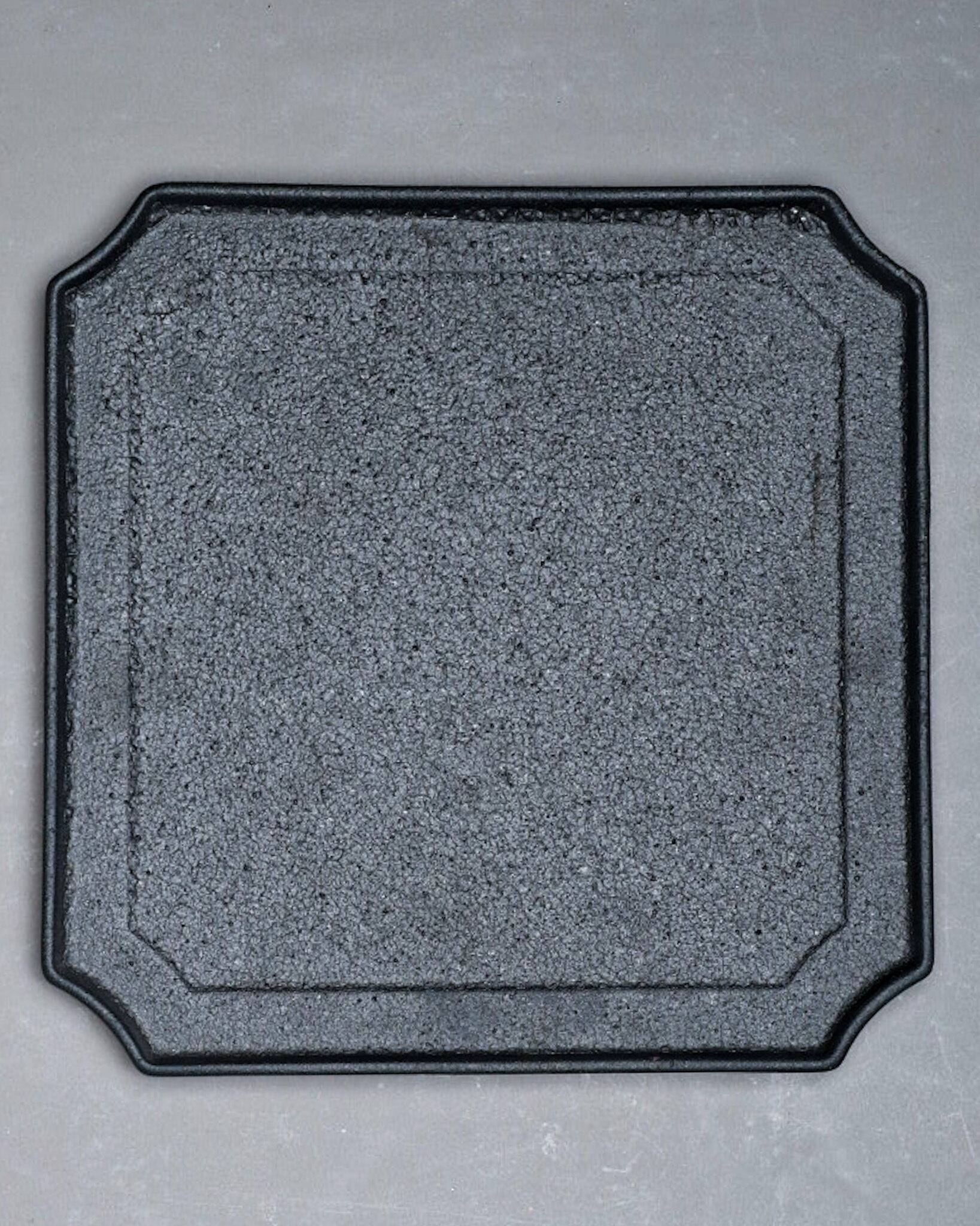
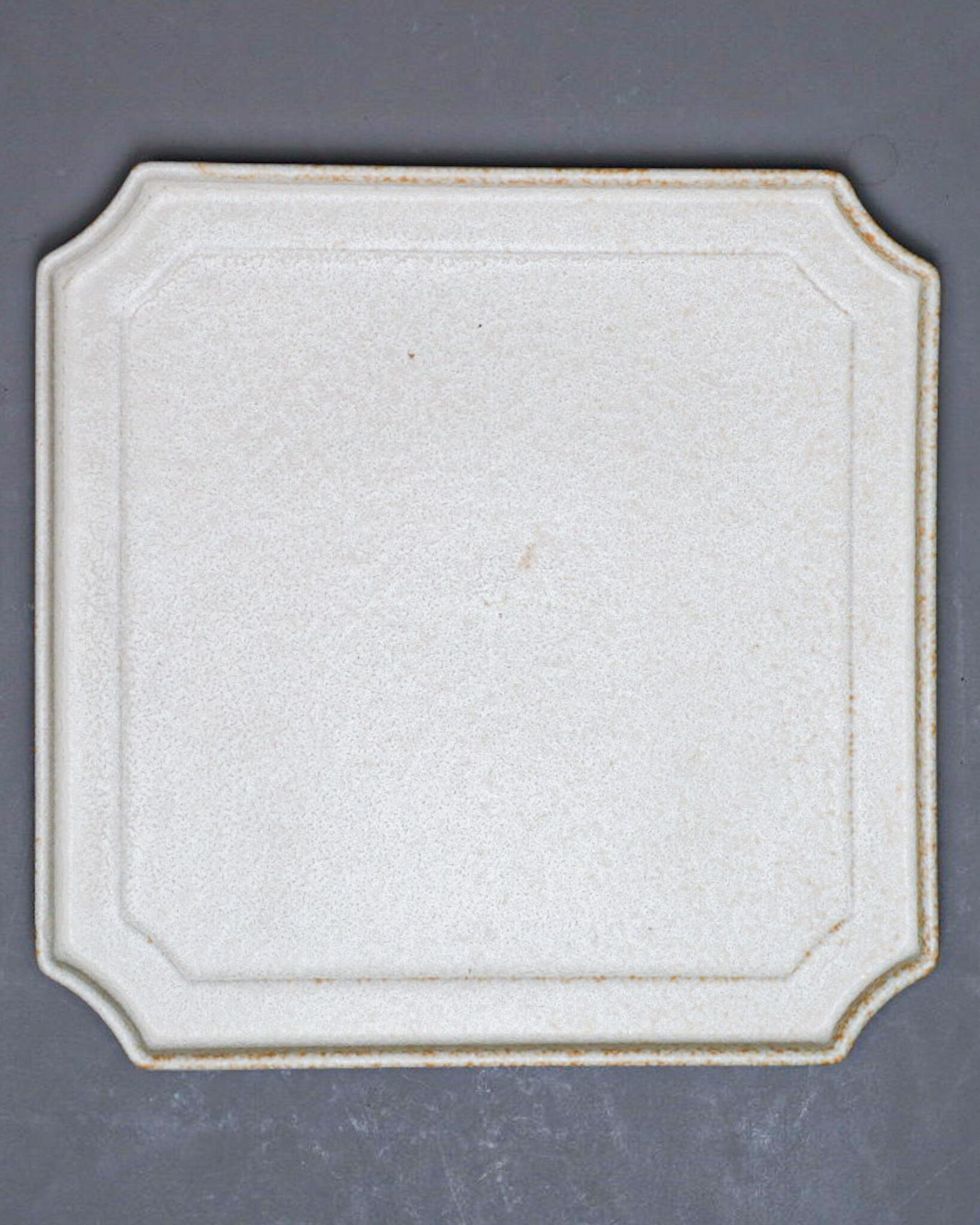
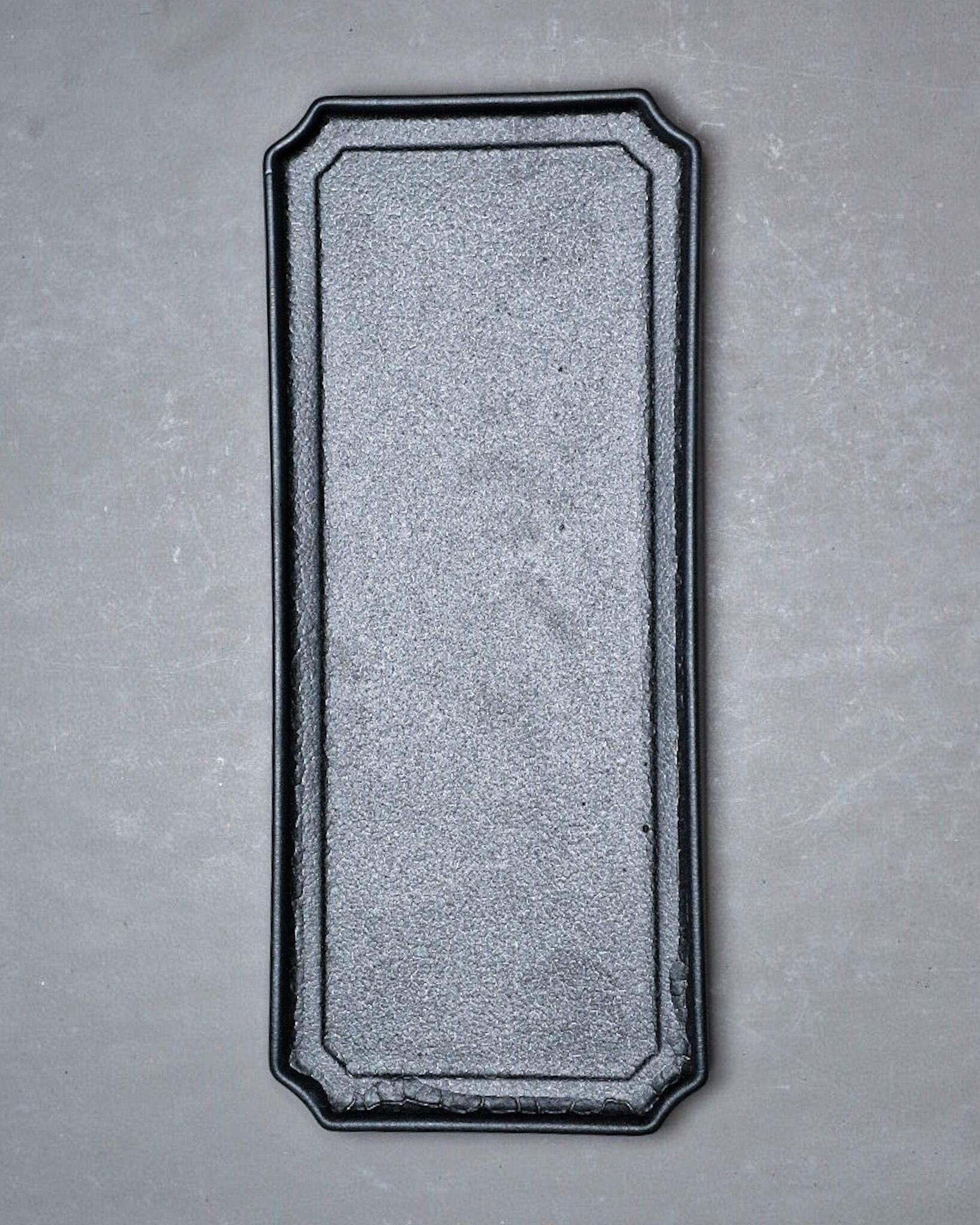
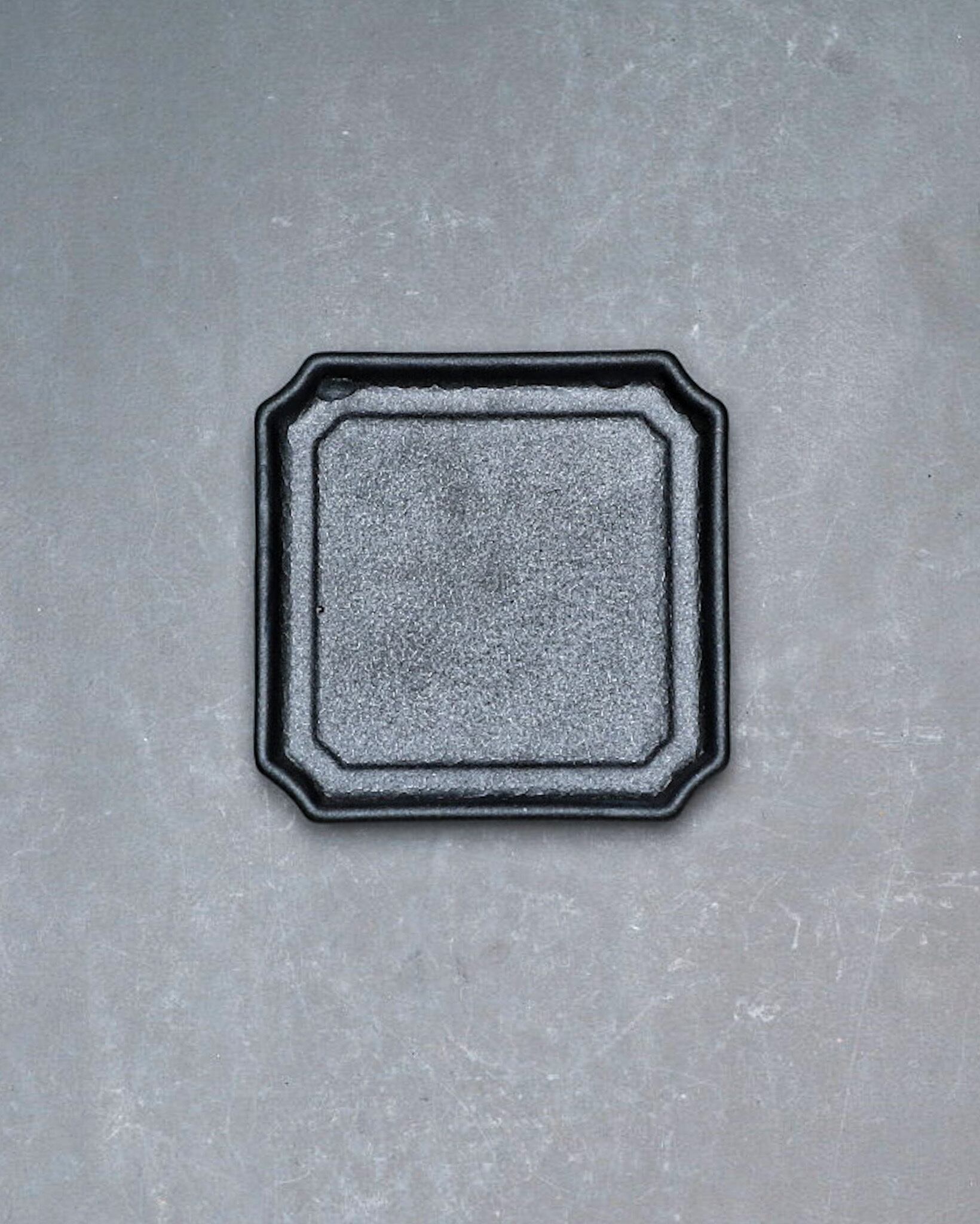
G-E-N sumikiri plate S -kawa-
A traditional sumikiri silhouette — a square with its corners cleanly cut — gives rhythm and quiet accent to an otherwise simple form, lifting both Japanese and Western cuisine. The recessed relief frames the food like a portrait, marking the gesture of a kaiseki dish. A crackle glaze draws across the surface like dry earth, leaving a leather-like texture on the skin of the piece.
Price
¥2,750
Tax included / shipping extra
§ Shipping
Shipping times vary depending on the work. Pieces in stock typically ship within a few days; made-to-order works require additional time depending on content. We will notify you of the estimated dispatch date by email after your order. Yamato region-based shipping (from ¥920 within mainland Japan (incl. packaging), size surcharge applies). Free shipping on orders over ¥20,000 (tax included).
§ Care
When using metal cutlery, faint pencil-like grey marks (so-called "metal marks") may appear on the surface of the ware. This does not affect the quality of the piece. We recommend a melamine sponge or citric acid for cleaning. Never use in an oven or over an open flame.
§ Return
Each piece is made entirely by hand, and the formation of glaze crystals and surface scenery — along with size, color, expression, texture, and tonal density — varies from piece to piece. These individual differences are the very charm of handwork and are not grounds for return. Returns are not accepted except in the case of defects.
§ Details
- Size
- ~100×100mm H~20mm
- Glaze
- kawa (black kairagi mottling)
- Technique
- Crackle glaze, pressure casting
- Manufacturer
- Ichiyo Tōen Co. (founded 1960)
- Origin
- Mino-yaki
Microwave
○
Dishwasher
△
Oven
×
§ IV. Language
隅切
A traditional motif of cut corners
"Sumikiri" — the cutting of corners — is a motif long used in Japanese architecture, furniture, and vessels. It adds rhythm and accent to the simple square form, complementing both Japanese and Western dishes. A crackle glaze gives the surface the texture of dry earth.
§ V. Glaze
kawa
梅花皮
黒の梅花皮、皮のような肌理. Born from blending precise to 0.001g and temperature control to 1°C, this color and this surface come into being. Even with the same glaze, the landscape differs each time it is fired.
§ VI. On variations
Each vessel is unlike any other.
Every piece is made entirely by hand. The formation of glaze crystals and surface scenery — along with size, color, expression, texture, and tonal density — varies from piece to piece. Even within the same named glaze, each vessel carries its own landscape. These individual differences are the very charm of handwork and are not grounds for return. We hope you will enjoy these landscapes throughout your time spent with the piece.